
By The KISH team
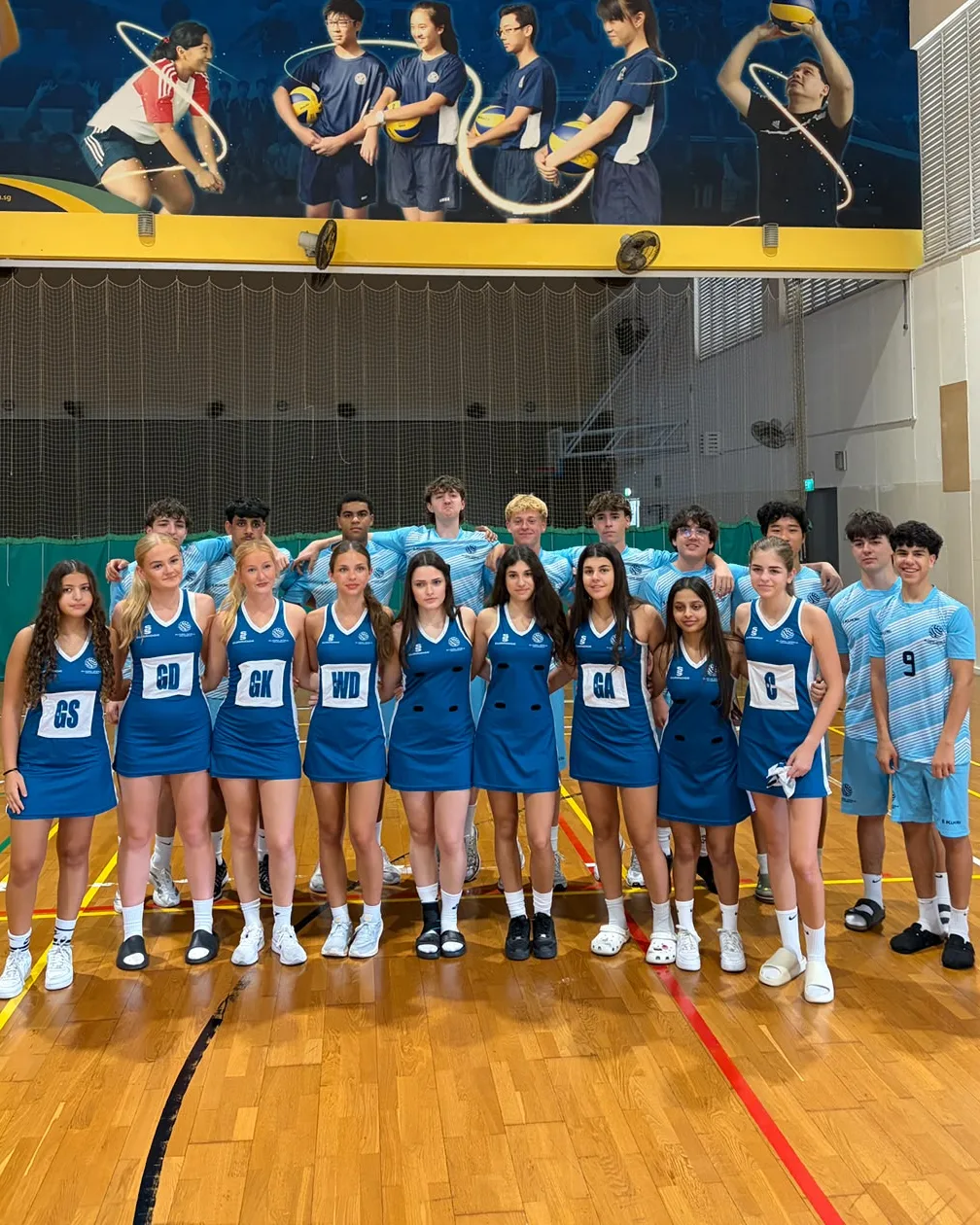
Every sports parent knows the moment. The football boots bought at the start of term are pinching by spring, last season's spikes won't go on, and the running shoes still look almost new but no longer fit.
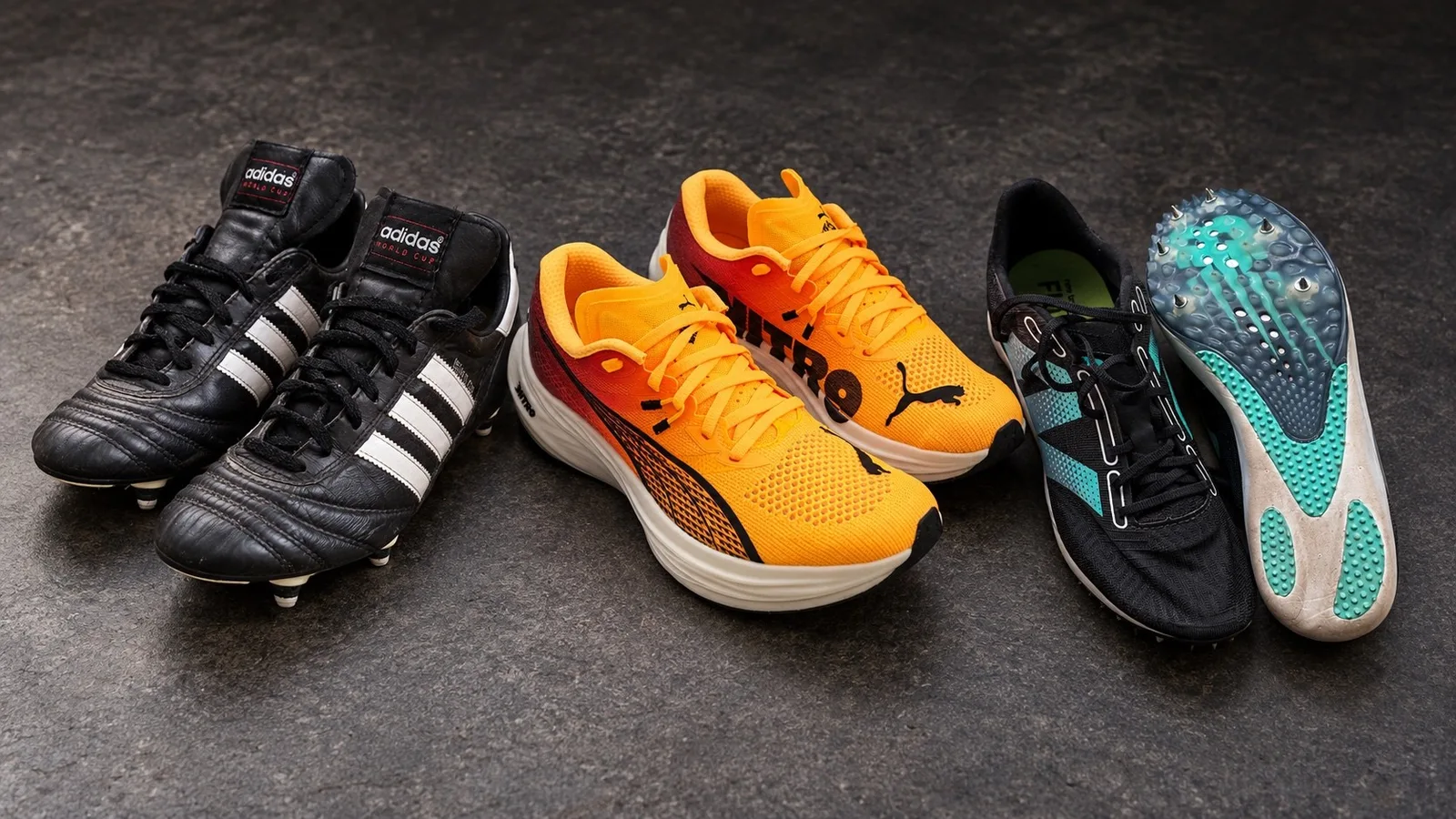
Children grow out of sports shoes long before they wear them out. Through the primary-school years, a child can need a new shoe size every four to six months. Between school fixtures, academy sessions and weekend leagues, a young athlete in the Gulf may need football boots, astro trainers, running shoes and spikes, each in the right size, and each to be replaced as their feet grow.
So a lot of good sports shoes end up at the back of a cupboard, and some end up in the bin.
Children grow out of sports shoes long before they wear them out.
Where Old Shoes Go
Around the world, 22 billion pairs of shoes are thrown away every year, according to the World Footwear Association. Industry estimates suggest that around 95% of discarded footwear ends up in landfill.
Sports shoes are built to last, and that becomes the problem once they are thrown away. The rubber, foam and synthetic fabrics that survive sweat, heat and hard training don't break down easily. Depending on what it's made of, a synthetic sports shoe can take anywhere from about 30 to more than 1,000 years to break down in landfill. The EVA foam that cushions almost every modern sports shoe doesn't meaningfully biodegrade at all.
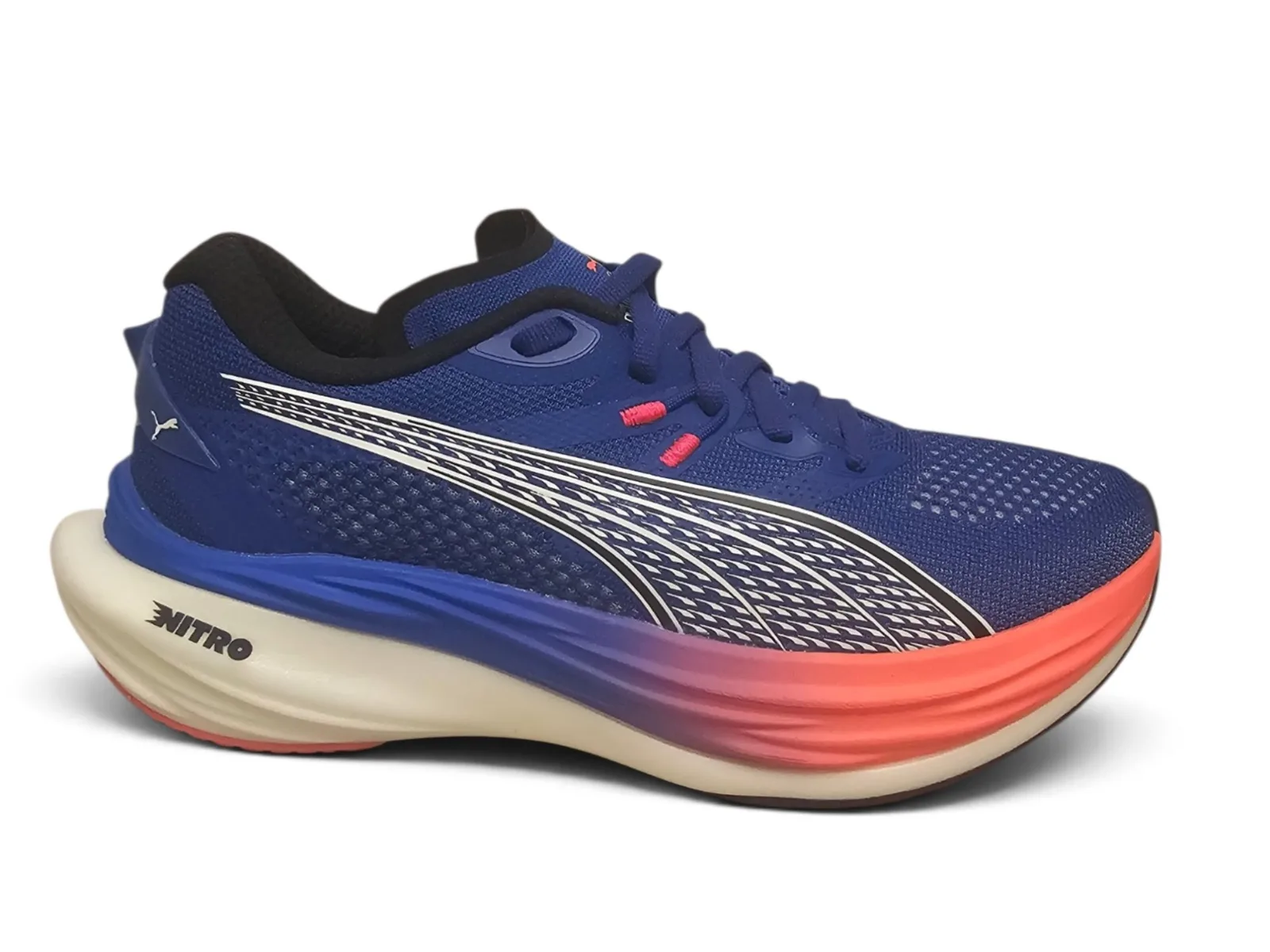
Making new shoes has a cost of its own. A 2013 study from MIT found that making a typical pair of running shoes generates about 13.6 kg of CO₂ emissions. The figures and their sources are in KISH's Lab.
Why Recycling Isn't the Answer Yet
Recycling sounds like the obvious fix, but it isn't yet a real answer for a family's old trainers. A modern sports shoe is built as one piece, with rubber glued to foam and fabric bonded to synthetic overlays, which makes it slow and expensive to take apart.
The most useful thing to do with an outgrown pair is simpler: keep it in use.
Getting More Out of Every Pair
Look after them while they fit. Knock the mud off after training, and keep shoes out of the sun and out of hot cars. In Gulf heat, a boot left in a hot car can stiffen for good.
Buy the size that fits now. Sizing up "to grow into" is tempting, but sports shoes are meant to fit now: a boot that's too big moves on the foot and rubs. For football boots, we look for about a thumb's width of room at the toe, with the child standing and the boot fully laced.
Check a second-hand pair properly. Five things tell you most of what you need to know: the studs (all there and evenly worn), the toe box (no splits through the material), the heel cup (it should hold its shape), the insole (not pressed flat) and the sole (it should bend at the ball of the foot, not in the middle). KISH's Lab has a fuller checklist for football boots.
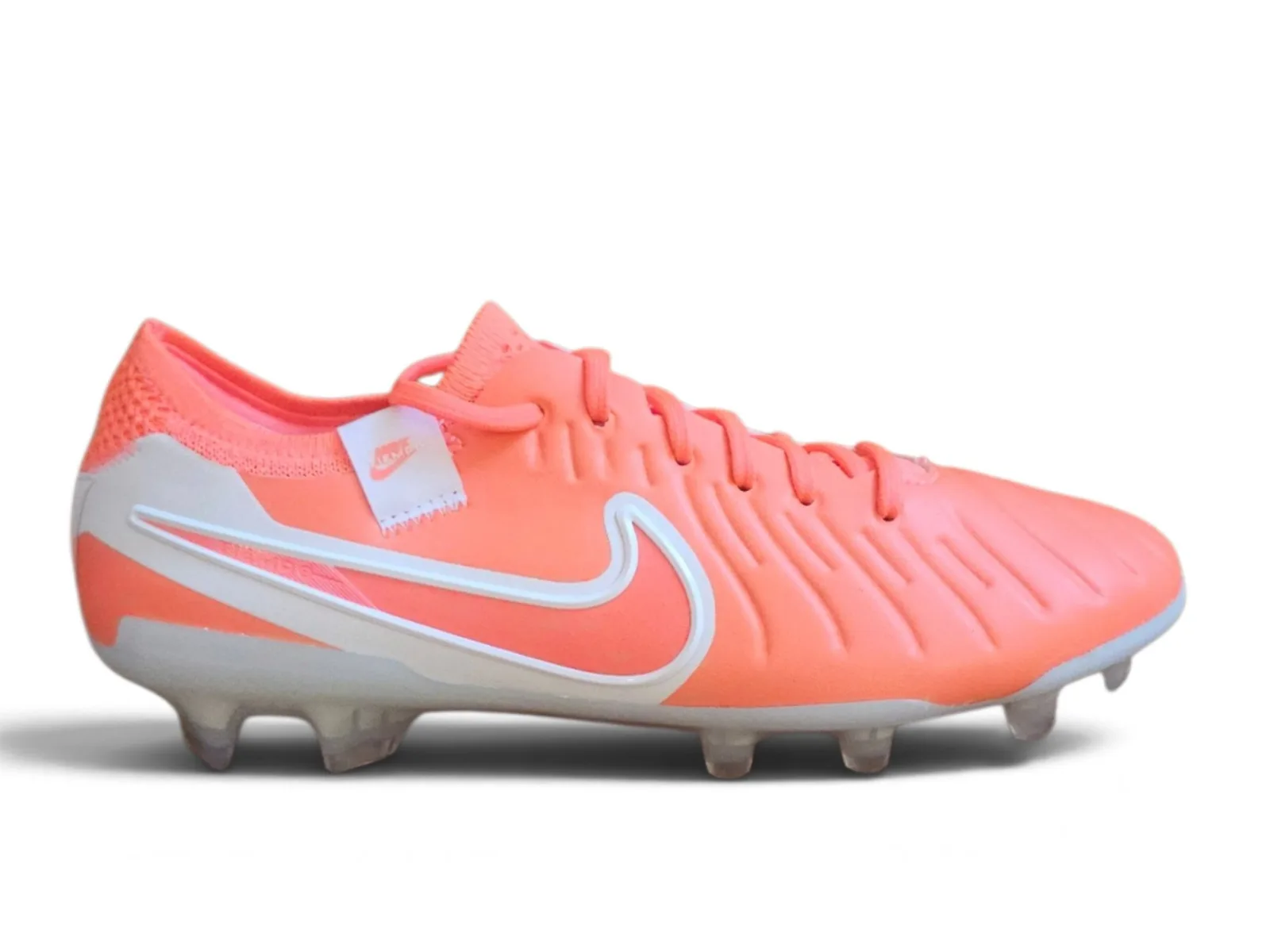
Pass them on. An outgrown pair can go to a younger sibling, a teammate or another family who needs that size, instead of waiting in a cupboard.
Sell the ones that are still good. Selling an outgrown pair puts money towards the next size, and puts the shoes on another young athlete's feet. In Dubai, KISH is one place to do it: families keep their full price, and every listing is checked by a person before it goes live.
About KISH
KISH is a Dubai marketplace for kids' sports shoes, new and pre-owned. Find it at kishhq.com and on Instagram at @kish.hq. The KISH team also writes The Lab, a free library of articles for parents of young athletes.
Photos: KISH
Got a story from your school or club? Submit it here.